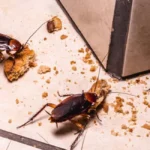
Schools are meant to be a haven for students to learn and grow. That’s why they need to be pest-free around the year to ensure the health and safety of not only the students but also of the staff. Previously, schools would book blanket pest control, involving spraying or other techniques, whenever they spotted a cockroach or an ant.
However, over time, these spider control or other pest repellents proved to be toxic and unhealthy for children. That’s why schools in Melbourne are shifting towards health-first pest management techniques for better protection without any risks.
What are the Reasons Behind the School’s Shift?
Educational institutions in Melbourne are becoming health-conscious and are abandoning traditional methods of killing or controlling pests. They are avoiding or even decreasing the use of toxins or pesticides that can harm the children or the environment. Eco-friendly or child-friendly school pest control in Melbourne is the new normal for the following reasons.
- Vulnerability of the Children
It has been observed that adolescents and even young students are increasingly affected by traditional pest control methods because children breathe more air per kilo or pound of their body weight than adults. Specifically, around floors and surfaces where residues accumulate, they often put their hands on such surfaces or objects and then unconsciously put them in their mouths.
A research study also presents a link between childhood exposure to pesticides and an increased risk of respiratory and allergic outcomes. That usually leads to wheezing and asthma even in adults. That’s why avoiding chemical exposure or toxic pest treatments has become necessary for institutions, in order to maintain students’ health at any cost or provide a healthy learning environment.
- Victorian Government Policies
Victoria’s Department of Education has guided all schools in Melbourne to go for health-first pest management practices. They have provided specific advice on on-site mosquito and outdoor activity risk management, along with some health risk assessment policies. Every institution going for educational pest control is obliged to follow prevention, monitoring, and low-toxicity options over common chemical sprays and toxic repellents.
For example, instead of using fumigation or other chemicals to remove mosquitoes in school, the administration is required to use human-friendly exclusion techniques. All in all, you need to comply with Victorian policies to maintain a healthy learning environment, not only for learners but also for tutors who are responsible for the intellectual growth of students.
- Alternatives are More Beneficial
Instead of doing pest infestation removal operations twice or thrice in a year, involving immediate pest killing using toxins, baits, sprays, etc. Educational facilities are now shifting towards the Integrated Pest Management (IPM) technique for safe removal of dangerous insects or birds. The first step is prevention through bait stations, screen protectors, or shields, and so on.
Another step is monitoring using devices such as electronic monitors to detect the slightest activity of cockroaches, ants, flies, etc., triggering an instant alarm to respond. The final step is the exclusion of the identified species using targeted treatments in accordance with international public health guidance.
This IPM method proved more beneficial, as chemical use is lower and pest activity reduction is higher due to precise elimination. It has also reduced the health risks for students and the absence ratio due to health friendliness.
- Healthy Expectations from Stakeholders
Melbourne is home to many dangerous crawling or flying pest that can harm humans or even buildings. For example, a cockroach in the cafeteria can poison the food, a rodent can damage the packaging, and flies or mosquitoes can spread diseases. That’s why parents, staff, and even school communities now expect pest-free or safe learning environments.
Pushing schools to use pesticides safely and go for integrated pest prevention in Melbourne for the safety of everyone, especially young students. Children can focus more on learning safely because the risk of pest infestations or attacks is reduced.
What Does Health-First Pest Management Actually Mean?
Educational facilities in Melbourne are adopting child-safe pest control practices to meet the new health and safety standards. Health-first pest management is actually an Integrated Pest Management (IPM) technique adapted by schools to prevent pests from accessing the surroundings. This involves sealing cracks or gaps in walls or crevices to make the environment unattractive to pests, followed by constant monitoring using tools for instant pest elimination, with non-chemical repellents, and application of low-toxic solutions, in the targeted places. All backed by clear communication to parents and staff, so that every stakeholder remains informed about the healthy measures of the organisation.
- Prevention: This involves sealing all gaps and cracks around doors, rooflines, and maintaining a strict no-food policy in the classroom. To ensure that there are no food residues left in the classroom that attract ants or flies.
- Monitoring: IPM also involves constant monitoring of the pests using detectors so that whenever there’s some pest activity. It can be recorded or later dealt with by the expert pest controllers in Melbourne.
- Non-Chemical Interventions: The use of physical traps, exclusion netting, storing food in airtight containers, and improving drainage systems is key in IPM. Because it helps eliminate breeding sites that nourish pests.
- Targeted Treatments: When the pest activity is not reduced or stopped with non-chemical traps or methods. Then, the experts use precise targeting with baits after school hours to eliminate all the dangers. Sometimes, low-toxic chemical treatments are also used for severe pest infestations.
Benefits of Implementing Health-First Pest Management
Schools that adopt non-toxic pest control in Melbourne have not only seen an improvement in student attendance, but also a reduction in pest prevention costs. We have mentioned some prominent benefits of implementing health-first pest management techniques.
- Healthy Environment: Reduce children’s exposure to respiratory and allergic conditions by using safe pest control products.
- Improved Attendance: When students are not getting sick due to the health-friendly use of pest repellents, their attendance is likely to remain improved.
- Safe Learning Experience: Learning without the fear of being bitten by a mosquito or a fly has also enhanced the learning experience of students.
- High Return On Investment (ROI): Instead of booking pest control services in Melbourne every month or quarter. A health-first pest management approach can save a lot of money because it’s a one-time investment in detectors or traps.
Conclusion
Every school in Melbourne is shifting towards a health-first approach to pest management, rather than traditional pest control strategies. Because the health of students and even staff is their priority, and what’s better than using an eco-friendly or human-friendly approach? Now, every schoolgoer can learn freely in the institution because there’s no risk of pest attack.