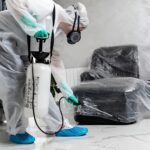
A professional pest inspection is a detailed process designed to protect homes and businesses from hidden infestations, structural damage, and health risks. At ZAP IT Pest Control, inspections go beyond surface checks, focusing on early detection, risk assessment, and practical prevention. Understanding what happens during a professional pest inspection helps property owners make informed decisions, avoid costly repairs, and maintain a safer indoor environment year-round.
Key Takeaways
- Pest inspections detect hidden activity early
- Exterior and interior areas are thoroughly assessed
- Accurate identification guides effective treatment
- Risk factors are addressed, not ignored
- Reports support informed decision-making
Why Pest Inspections Matter More Than You Think?
Pests rarely announce their presence. Many infestations develop quietly inside walls, roof spaces, subfloors, and storage areas. By the time visible signs of pest activity, damage is often already underway. Regular pest inspections help uncover hidden activity early, reducing repair costs and protecting both health and property value. They also provide clarity on conditions that attract pests before problems escalate.
- Early detection limits structural and material damage
- Health risks from contamination are reduced
- Moisture and access issues are identified early
- Preventative action costs less than reactive treatment
Understanding what happens during an inspection can help homeowners and property managers know what to expect and why it’s so important.
Here’s a detailed breakdown of what occurs during a professional pest inspection, the techniques used, and the benefits for property owners.
Step 1: Initial Assessment and Property Overview
A professional pest inspection begins with a thorough assessment of the property, both inside and out. The inspector will start by talking to the property owner or agent to understand any existing pest issues, previous treatments, and areas of concern.
During this stage, the inspector:
- Takes note of the property layout, age, and construction materials
- Checks for environmental factors such as moisture, timber-to-soil contact, and poor drainage
- Identifies areas that may attract pests, such as gardens, sheds, or roof voids
This initial overview sets the stage for a more detailed investigation and ensures the inspection is tailored to the specific risks of the property.
Step 2: Exterior Inspection
The exterior of a property is a common entry point for pests such as termites, rodents, and ants. Inspectors pay particular attention to areas that are easy for pests to enter or conceal themselves.
Key exterior inspection steps include:
- Examining foundations, walls, and cladding for cracks or gaps
- Checking rooflines, gutters, and downpipes for signs of nesting or water damage
- Inspecting fences, retaining walls, and sheds for termite activity or rodent access
- Looking for signs of pest-friendly conditions, such as mulch, leaf litter, and overgrown vegetation
By starting with the exterior, inspectors can identify risks before pests move indoors, which is particularly important for termite management.
Step 3: Interior Inspection
Inside the property, inspectors are looking for both active infestations and evidence of past activity. This is often where hidden issues, such as termite tunnels, dry rot, or rodent droppings, are detected.
During the interior inspection, inspectors will:
- Check roof voids, wall cavities, and subfloors for signs of termites, cockroaches, or rodents
- Examine timber structures for damage or decay caused by pests
- Inspect kitchens, bathrooms, and laundries for moisture and signs of ants or cockroaches
- Look behind cupboards, appliances, and skirting boards for droppings or damage
Inspectors also pay attention to patterns in damage or droppings that can indicate the type of pests and size of the infestation, which helps in planning treatment if necessary.
Step 4: Use of Specialist Tools and Techniques
Professional pest inspections are more than a visual check. Inspectors often use specialised tools and techniques to detect pests that are hidden from the naked eye.
Common tools and techniques include:
- Moisture meters to identify damp areas that attract termites and fungi
- Thermal imaging cameras to detect heat from termites or electrical pests
- Borescopes or inspection cameras to view wall cavities, subfloors, and roof voids
- Sounding methods, tapping timber to detect hollow areas caused by termite activity
These tools allow inspectors to uncover hidden infestations early, which can save property owners significant repair costs.
Step 5: Identifying Signs of Pest Activity
Throughout the inspection, the focus is on detecting both current and potential pest problems. Signs can be subtle, so a professional inspector looks for a range of indicators:
Indicators of pests include:
- Termite mud tubes, hollowed timber, or frass (termite droppings)
- Rodent droppings, gnaw marks, or nests
- Cockroach droppings or smears in cupboards and appliances
- Ant trails, especially in damp areas or near food sources
- Evidence of birds, possums, or bats entering roof spaces
Even minor signs can indicate larger pest infestations, so a professional inspector uses their experience to interpret these clues accurately.
Step 6: Reporting Findings and Recommendations
After completing the inspection, the inspector prepares a detailed report for the property owner or agent. This report is often used for real estate transactions, insurance purposes, or maintenance planning.
A professional pest inspection report typically includes:
- Summary of findings and any active infestations
- Photographs or diagrams showing affected areas
- Recommended treatment options for identified pests
- Advice on ongoing maintenance and prevention
The report provides a clear, actionable plan for addressing issues, helping property owners make informed decisions about repairs or treatments.
Step 7: Benefits of a Professional Pest Inspection
Engaging a licensed pest inspector provides peace of mind and protects the property against costly damage. Key benefits include:
- Early detection of pests before structural damage occurs
- Accurate identification of pest types and severity
- Evidence for property transactions or insurance claims
- Professional recommendations for treatment and prevention
Termites alone cause millions of dollars in property damage annually, making professional inspections a critical investment for homeowners and investors alike.
How Often Should Pest Inspections Be Done?
Most residential properties benefit from annual inspections. Commercial properties or high-risk environments may require more frequent checks.
Factors influencing frequency include:
- Property location
- Previous infestations
- Building age
- Environmental exposure
Regular inspections reduce the chance of large-scale infestations and unexpected repair costs.
Conclusion
A professional pest inspection provides clarity, protection, and peace of mind. It identifies existing issues, highlights future risks, and supports healthier living environments. If you want confidence in your property’s condition, contact us today to book a professional pest inspection tailored to Melbourne homes and businesses.