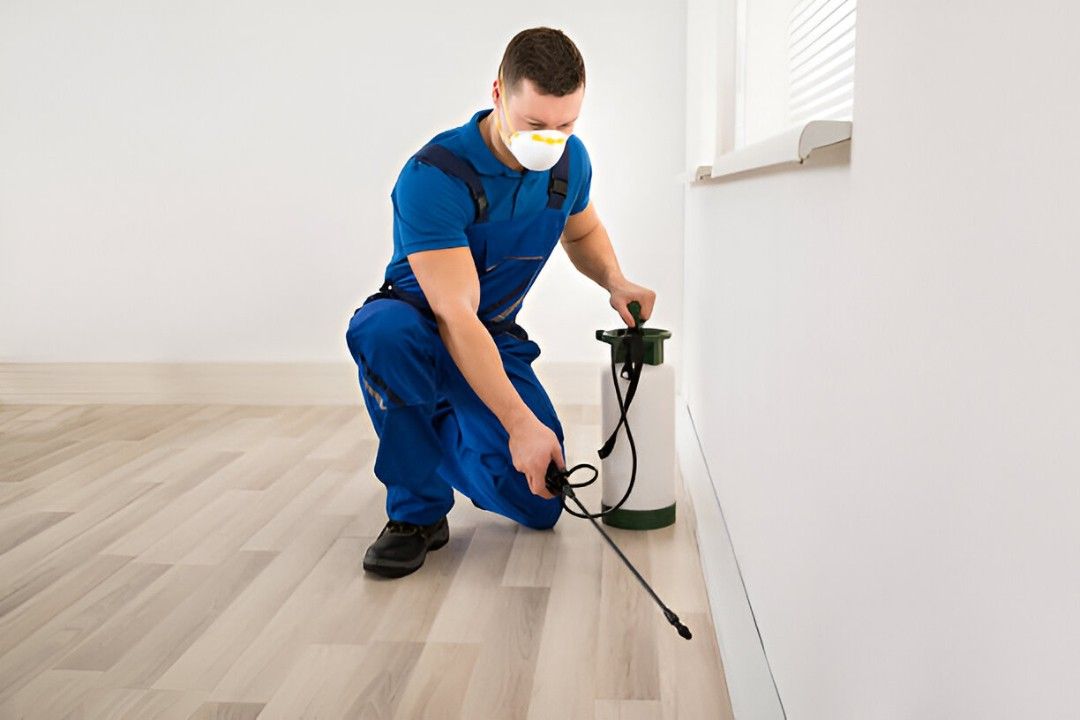
Regular pest control works best when it follows a clear schedule, not when problems surface unexpectedly. Properties remain safer and more stable when treatments are timed with seasonal activity and structural needs. ZAP IT Pest Control supports homeowners and businesses with consistent monitoring that reduces risk and protects long-term value. Planned intervals ensure pests are managed before costly disruptions occur.
Key Takeaways
- Routine pest control prevents long-term damage
- Treatment frequency varies by property type
- Seasonal changes influence pest behaviour
- Early intervention reduces cost and disruption
- Professional inspections support safer outcomes
Why Regular Pest Control Matters?
Pest control isn’t just about eliminating insects and rodents, it’s about prevention. Many pests breed quickly, hide well, and cause damage long before you notice them. Regular treatments help break breeding cycles, reduce infestations, and create long-term protection. Using pesticides safely is essential during this process, ensuring treatments are effective while protecting your family, pets, and the environment.
Consistent pest control helps:
- Prevent major infestations before they become costly or dangerous.
- Protect your home’s structure, particularly from termites and wood-boring insects.
- Reduce allergens and health risks caused by droppings, bites, and bacteria.
- Maintain cleanliness in kitchens, bathrooms, and outdoor areas.
- Keep your pets safe, especially from fleas, ticks, and mites.
Over time, scheduled treatments save money, reduce stress, and keep your living environment healthier.
How Often Should Pest Control Be Scheduled?
The frequency of pest control depends on multiple factors: the type of property, previous pest history, environment, and surrounding conditions. Below is a general guide, but each home or commercial site benefits from a customised management plan.
1. Residential Homes
Most homes in Melbourne benefit from professional pest control every six to twelve months. This interval ensures that common pests, such as ants, spiders, cockroaches, and rodents, remain under control throughout the year.
For homes surrounded by bushland, older homes, or homes with past infestations, more frequent visits may be required.
2. Commercial Properties
Businesses face stricter requirements due to health and safety regulations. Hospitality, food handling, aged care, schools, and medical facilities often require commercial pest control service every one to three months. Effective commercial pest control solutions for a safer workplace ensure these environments remain protected from risks that compromise hygiene, compliance, and employee well-being. This keeps service environments safe and compliant with standards referenced.
3. Termite Protection
Termites require their own schedule due to their destructive nature. Termite inspections should be completed every 12 months, and in high-risk zones, every six months.
A detailed inspection supports:
- Early detection of termites activity
- Identification of moisture problems
- Protection of timber structures
- Compliance with Australian Standards
4. After a Previous Infestation
Properties with a history of pests may require quarterly treatments to stabilise conditions. Previous nests or entry points can continue attracting pests without ongoing intervention.
Seasonal Factors That Influence Pest Frequency
Pests respond directly to changes in weather, temperature, and moisture. Understanding these patterns helps determine the most effective scheduling.
Spring
- Increased breeding activity
- Termite swarms
- Ant and spider movement
Spring is considered the ideal time for general pest treatment.
Summer
- High cockroach activity
- Mosquito and fly surges
- Increased rodent movement
Autumn
- Rodents entering homes for warmth
- Spiders searching for shelter
- Termites continuing structural exploration
Winter
- Rodents, silverfish, and spiders become more active indoors
- Reduced visibility of outdoor pests, requiring thorough inspection
A consistent schedule ensures each season’s challenges are addressed.
Factors That Influence How Often You Need Pest Control
Not all homes are the same, and some may need more frequent pest control. Several factors can influence your ideal schedule:
1. Location
Your geographical area plays a major role. For example:
- Coastal regions often attract ants, cockroaches, and mozzies.
- Bushland areas are more prone to spiders, termites, and rodents.
- Tropical climates deal with year-round pest pressure.
2. Property Type
Different types of homes have different vulnerabilities:
- Older homes often have cracks, gaps, and voids that pests love.
- Homes with large gardens attract ants, spiders, and rodents.
- Apartment buildings may face recurring cockroach or rodent issues due to shared walls.
3. Lifestyle and Cleanliness
Even with regular cleaning, pests can slip in. But certain factors increase risk:
- Pets that bring in fleas or ticks
- Kids leaving food around
- Outdoor entertaining areas where crumbs accumulate
- Rubbish bins stored near entry points
4. Previous Infestations
If your home has had pest problems before, ongoing treatments may be required to keep them away for good.
Pest-Specific Scheduling Guidelines
Certain pests require more specialised treatment frequency. Here’s a quick guide to help you determine the best schedule for your home.
1. Termites
Recommended: Annual termite inspections, plus treatments every 3–5 years.
Australia is a termite hotspot, and damage can cost tens of thousands. Professional inspections are essential for early detection.
2. Cockroaches
Recommended: Every 3 months.
Cockroaches thrive in warm climates and can multiply quickly. Quarterly treatments offer the best protection.
3. Ants
Recommended: Every 3–4 months, depending on activity.
Garden ants, coastal ants, and indoor sugar ants all respond well to regular treatments.
4. Spiders
Recommended: Every 3–6 months.
Outdoor barrier treatments help stop them entering your home.
5. Rodents
Recommended: Rodent pest control is quarterly for prevention and monthly during active infestations.
Rodents breed fast and can contaminate food, wiring, and insulation.
6. Fleas and Ticks
Recommended: As needed or every 3 months if you have pets.
These pests can spread quickly, especially in warmer months.
7. Bed Bugs
Recommended: Multiple treatments over several weeks (only when an infestation occurs).
Prevention isn’t needed unless you run an accommodation business.
Signs You Need More Frequent Pest Control
Even if you’ve been following a schedule, certain indicators mean you may need more frequent visits:
- Seeing pests during the day (especially cockroaches)
- Finding droppings, nests, or chewed materials
- Hearing scratching sounds in walls or ceilings
- Discovering trails of ants or regular spider activity
- Increased pest presence during weather changes
- Pets scratching excessively or bringing fleas inside
These signs suggest pests are breeding or entering your home more quickly than your current treatments can manage.
Benefits of Setting Up a Yearly Maintenance Program
Many pest control companies offer annual packages that include quarterly treatments and emergency callouts. These programs offer:
- Better Value – Lower costs when treatments are bundled.
- Priority Support – Quick help if unexpected pests appear.
- Peace of Mind – You don’t have to remember when to book.
- Stronger Protection – Consistent coverage all year long.
For families, pet owners, food businesses, and homes in high-risk areas, yearly programs are especially worthwhile.
Why Proactive Pest Control Saves Money?
Reactive pest control usually results in higher costs because infestations require more labour, more material, and more time to resolve. Proactive treatment prevents these expenses by maintaining stable, predictable conditions.
Proactive pest management supports:
- Lower long-term treatment costs
- Reduced structural damage
- Fewer disruptions to daily life
- Improved health and hygiene
- Better safety for families, pets, and staff
Routine treatments provide consistent protection, making unexpected issues far less likely.
Conclusion
Scheduling pest control at the right intervals protects your property, reduces stress, and supports long-term safety. When treatment is planned strategically, pest problems remain manageable rather than disruptive. If your home or business needs expert guidance, contact us for tailored advice and reliable protection all year round.